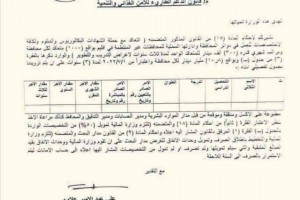
The Department of Chemistry at the College of Education for Pure Sciences examined a doctoral dissertation titled "Synthesis, Characterization, and Cytotoxicity Study of Novel Thiohydantoin-Succinimide Derivatives Against Breast and Prostate Cancer."
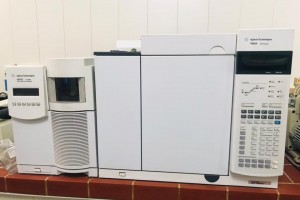
The study aimed to synthesize a series of five-membered heterocyclic compounds—specifically thiohydantoin derivatives—by reacting succinimide derivatives with substituted isothiocyanates. It involved an initial biological evaluation of the resulting derivatives to determine their ability to inhibit the proliferation of cancer cells. The half-maximal inhibitory concentration (IC50) values were calculated as a quantitative measure of pharmacological efficacy. Furthermore, the study investigated the *in vitro* anti-cancer activity of these compounds against prostate cancer (PC-3) and breast cancer (MDA-MB-231) cell lines to identify those with therapeutic potential. The most effective derivatives were analyzed for their impact on apoptotic pathways, with a focus on the molecular and morphological changes that trigger programmed cell death. Finally, a comparative study of the morphological effects was conducted, contrasting cells treated with the synthesized compounds against those treated with the drug Cisplatin (used as a reference) and untreated cells (negative control containing the solvent DMSO), in order to elucidate the structural differences resulting from the chemical treatment. The structures of the synthesized compounds were confirmed using spectroscopic techniques, including 13C-NMR, IR, 1H-NMR, and mass spectroscopy. The biological activity of these compounds was evaluated by assessing their inhibitory effects on prostate cancer cell lines (PC3) and breast cancer cell lines (MDA-MB-231), with IC50 values calculated to determine their potency. The results indicated that compounds T1B and T4B exhibit very high activity against prostate cancer cells. Regarding breast cancer cell lines, compound P2A demonstrated high activity; these results were compared against the IC50 values of the drug Cisplatin, which served as a standard reference for both prostate and breast cancer cell lines. Furthermore, compounds T1B and T4B were selected for a detailed investigation into the effects of their respective IC50 concentrations on the morphology of prostate cancer cells—comparing them to untreated cancer cells—as well as their impact on cell death. The study concludes that these compounds hold potential as promising therapeutic agents for breast and prostate cancer
 .
Important News


viewed most